
A Complete Guide To Dartmoor
Dartmoor is Devon’s wild heart. Covering 368 square miles, this vast national park feels like it’s straight out of Lord of The Rings, with moss-covered trees, giant boulders, little thatched cottages and cinematic scenery. Here’s our guide to everything you need to know about visiting Dartmoor.
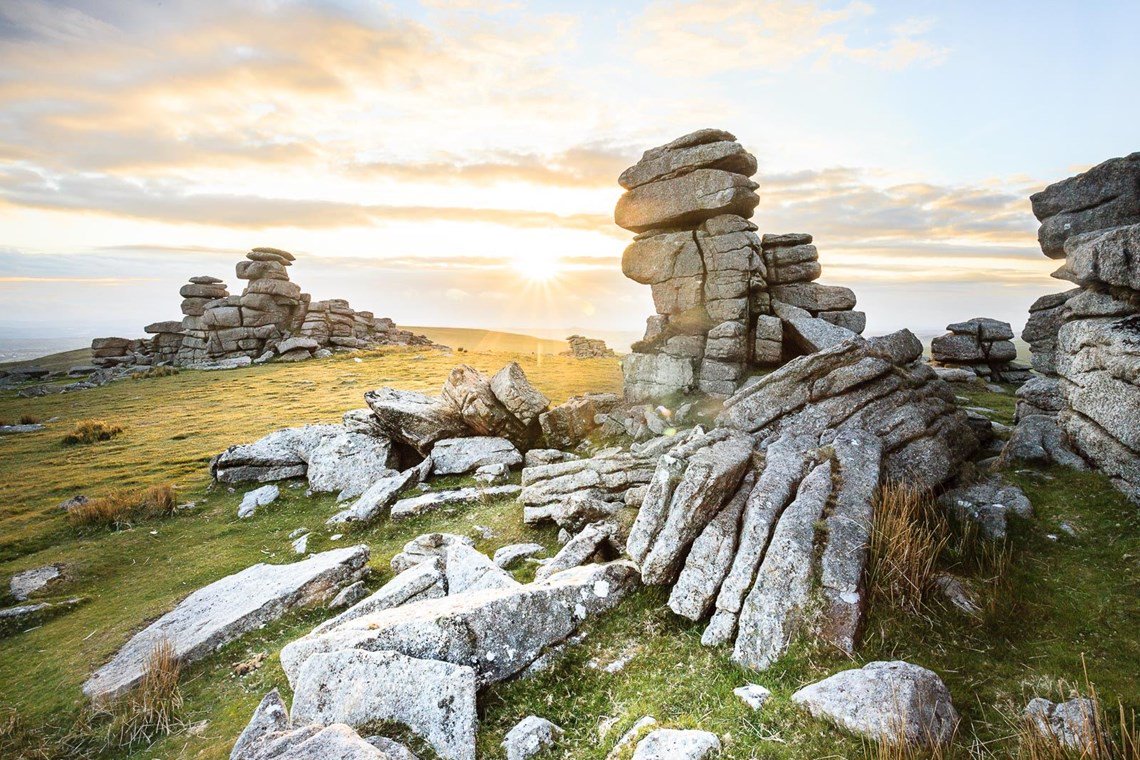
Dartmoor at a Glance
Dartmoor National Park is the largest wilderness in south-west England, covering 368 square miles of open moorland, deep river valleys and ancient woodland.
It is also one of Britain’s most archaeologically rich landscapes. Dartmoor contains the largest concentration of Bronze Age remains in the UK, with more than 1,200 recorded sites, including stone rows, hut circles and ceremonial monuments.
Other remarkable facts include:
High Willhays is the highest point in southern England, rising to 621 metres
Over 400 miles of footpaths and bridleways criss-cross the moor
Warren House Inn is the highest inn in south-west England
Canonteign Falls is the second-highest waterfall in England
The Upper Erme Stone Row is the longest stone row in the world, stretching over 3,300 metres
Dartmoor doubled as the fictional setting for the 1994 Quidditch World Cup in Harry Potter and the Goblet of Fire
Around 47,000 people live within the National Park boundary
Archaeologists have discovered 3,500-year-old hoof prints, preserved in peat
Dartmoor is a living, working landscape – shaped by geology, weather, farming and thousands of years of human presence.
When to Visit Dartmoor
Most of Dartmoor’s visitor attractions, museums and National Trust properties operate from April to October.
If possible, avoid school holidays and Saturday changeover days, when traffic on the M5 and local roads can be heavy.
Spring brings wildflowers, fresh green moorland and lambs in the fields
Autumn is one of Dartmoor’s most beautiful seasons, with golden bracken, turning leaves and quieter paths
September and October often offer warm seas and peaceful beaches nearby
Winter rewards those who come prepared, with dramatic skies, empty landscapes and roaring fires in historic pubs
Each season offers a different version of Dartmoor – none is inherently better, just different in mood and rhythm.
Getting to Dartmoor
Dartmoor is well connected by road and rail.
From London, the M4 (west), M1/M42 (north-east) and M6 (north-west) all link to the M5
Regular trains run from London Paddington and London Waterloo to Exeter and Plymouth
Exeter: from 2 hours 10 minutes
Plymouth: from 3 hours 15 minutes
Both Exeter and Plymouth have airports, with Bristol Airport another useful option for some travellers.
Getting Around Dartmoor
To explore Dartmoor properly, a car or bicycle is essential.
Public transport is limited, and many of the most beautiful locations are remote. Away from major A-roads, Devon’s ancient lanes are narrow, winding and slow-going – built for horses and carts rather than modern traffic. Allow more time than your satnav suggests.
Places to Stay on Dartmoor
Accommodation on Dartmoor ranges from simple campsites and glamping pods to traditional inns, B&Bs, country house hotels and self-catering cottages.
For couples seeking privacy, character and a quieter pace, a well-located cottage often offers the most rewarding experience. Staying independently allows you to shape days around weather, energy and mood – lingering over breakfast, walking straight from the door, and returning to a space that feels genuinely your own. This style of stay suits honeymoons, mini-moons and romantic breaks particularly well, where immersion in the landscape matters more than facilities or formality.
One example is Moorland View, a thatched, historic retreat in the village of North Bovey, in heart of Dartmoor National Park, designed specifically for couples. Owner-run and carefully restored, it offers the privacy of a cottage with the comfort and romance of a boutique hotel – alongside immediate access to moorland walks, quiet lanes and traditional Dartmoor villages.
Many couples choose to explore Dartmoor as part of a romantic break in Devon, drawn by its wide-open landscapes, quiet villages and the freedom to slow down. With space to walk straight from the door, pause over long lunches and return to somewhere private at the end of the day, the moor lends itself naturally to unhurried, couple-focused stays. For those considering this style of escape, our romantic breaks in Devon guide offers more detail.
Dartmoor towns
Ashburton is an appealing blend of traditional, edge-of-the-moor town and bordering-on-chic retreat. Elegant terraces and granite cottages line its winding streets, and you can shop for everything from hiking rucksacks to upcycled antiques. It's an all-round pleasant place, and a good base for the southern area of Dartmoor.
One of the prettiest of the Dartmoor villages, Chagford's stone-walled cottages, whitewashed buildings and thatched roofs are set around a quintessential village square. It's a handsome, vibrant little village, with some great places to sleep and eat, and there are views over the tors practically everywhere you look.
Just five minutes’ drive from Moorland View, Moretonhampstead is a small, workaday Dartmoor town that’s best thought of as practical rather than picturesque. It’s not somewhere you come for a big day out – and that’s precisely its value. For guests staying nearby, Moretonhampstead is where you go to top up supplies, pick up good food, grab a coffee, or visit a handful of excellent local makers. It’s lived-in, purposeful and refreshingly unpolished, with none of the performance or crowds of Dartmoor’s better-known honeypots.
Dartmoor Weather – What to Expect
Dartmoor weather is famously changeable. It is not unusual to experience four seasons in a single day.
Rainfall varies dramatically:
Around 2,000mm annually on high moorland
Closer to 800mm in lower-lying areas
Warm layers, waterproofs and sturdy footwear are essential year-round. The ground is often uneven and boggy, even after dry spells.
On fine days, Dartmoor is idyllic – ponies grazing freely, sheep beside the road, skies stretching endlessly. Its beauty has drawn filmmakers from War Horse to countless documentaries.
When mist and rain descend, the landscape transforms entirely, lending credence to its darker literary associations, including The Hound of the Baskervilles, where Dartmoor’s wildness becomes central to the story.
Dartmoor Ponies
Few sights are as evocative as Dartmoor ponies grazing against the open moor.
Hardy, calm and sure-footed, they are uniquely adapted to survive Dartmoor’s harsh conditions, navigating bogs, poor grazing and bitter winters with remarkable resilience.
Written records date back to AD 1012, and over centuries ponies have been used for:
Mining and quarrying
Farming and shepherding
Carrying goods and mail
Escorting prisoners from Dartmoor Prison
Today, ponies play an important ecological role by controlling gorse and bracken growth.
Although around 1,500 ponies roam Dartmoor, only around 140 are pure-bred Dartmoor Ponies, now classified as a Rare Breed. Conservation efforts are supported by the Dartmoor Pony Moorland Scheme and the Dartmoor Pony Preservation Scheme.
Ponies are feral, not tame. They are owned and managed by Dartmoor Commoners and gathered annually in autumn during traditional pony drifts for health checks and counting.
Admire them from a distance, never feed them – and keep garden gates firmly shut.
Dartmoor Prison
Built in 1805 to house French prisoners during the Napoleonic Wars, Dartmoor Prison’s forbidding granite walls loom over Princetown.
Its history is as dramatic as its setting. Over the centuries it has held:
French and American prisoners of war
Political prisoners, including Éamon de Valera
Some of Britain’s most notorious criminals
Its reputation has inspired countless works of fiction, including The Hound of the Baskervilles and From Russia With Love.
Despite its formidable presence, Dartmoor Prison remains a working institution. Visitors can explore its history at the Dartmoor Prison Museum, which houses artefacts, artworks and personal items created by prisoners over the years.
Neolithic & Bronze Age Dartmoor
Dartmoor is one of Europe’s most extraordinary prehistoric landscapes.
Stone circles, hut circles, burial cists and ceremonial rows are scattered across the moor, evidence of a once-thriving ancient population. Thousands of hut circles remain, many forming entire abandoned settlements.
The most striking monuments are the standing stones and stone rows, found at sites such as:
Upper Erme
Drizzlecombe
Merrivale
Laughter Tor
At Grimspound, visitors can still walk among the remains of Bronze Age homes enclosed by a stone wall – a rare survival.
As Conan Doyle observed in The Hound of the Baskervilles, Dartmoor preserves prehistoric life “exactly as [it was] left”.
Dartmoor Wildlife
Dartmoor’s diverse habitats – peat bogs, rivers, woodland and open moor – support rare and remarkable wildlife.
Species include:
Heckford’s pygmy moth (found nowhere else on Earth)
Barbastelle bats
Southern damselflies
Adders, cuckoos and glow worms
Wistman’s Wood, possibly over 7,000 years old, is among the most atmospheric locations on Dartmoor, with twisted oaks draped in moss and lichen.
Guided nature walks, dawn chorus outings and fungi forays offer deeper insight, while the Dartmoor Pony Heritage Trust provides an excellent introduction to the moor’s most iconic residents.
Dartmoor Firing Times
Parts of northern Dartmoor are used by the Ministry of Defence for training exercises, covering around 11% of the National Park.
Public access is permitted when firing is not taking place. Restricted areas are clearly marked by red flags and posts. Always check firing schedules before setting out.
Details are available via:
Visitor centres
Ordnance Survey maps
Dartmoor Ranges: 0800 458 4868
Dartmoor Visitor Centres
The main visitor centre at Princetown offers exhibitions on Dartmoor’s history, culture and wildlife.
Additional centres at Postbridge and Haytor provide maps, guides and local advice. Opening times vary seasonally, so it’s worth checking ahead.
These guides delve a little deeper into Dartmoor – from wide-open walks and ancient sites to villages and overlooked corners.


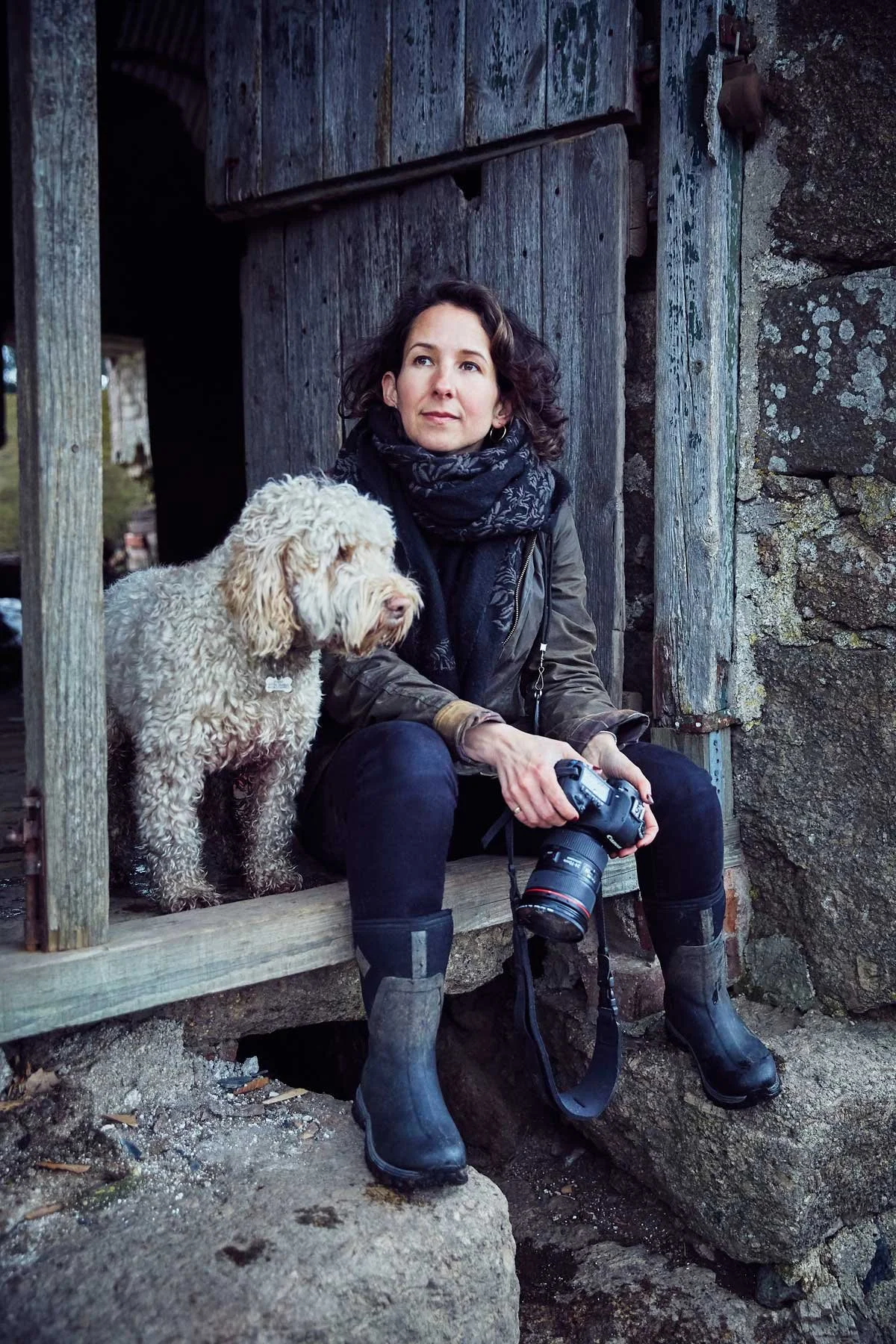
From dramatic tors and ancient woodland to wide-open moorland and hidden valleys, these are Dartmoor’s best locations for landscape photography – chosen for light, atmosphere and sense of place.